
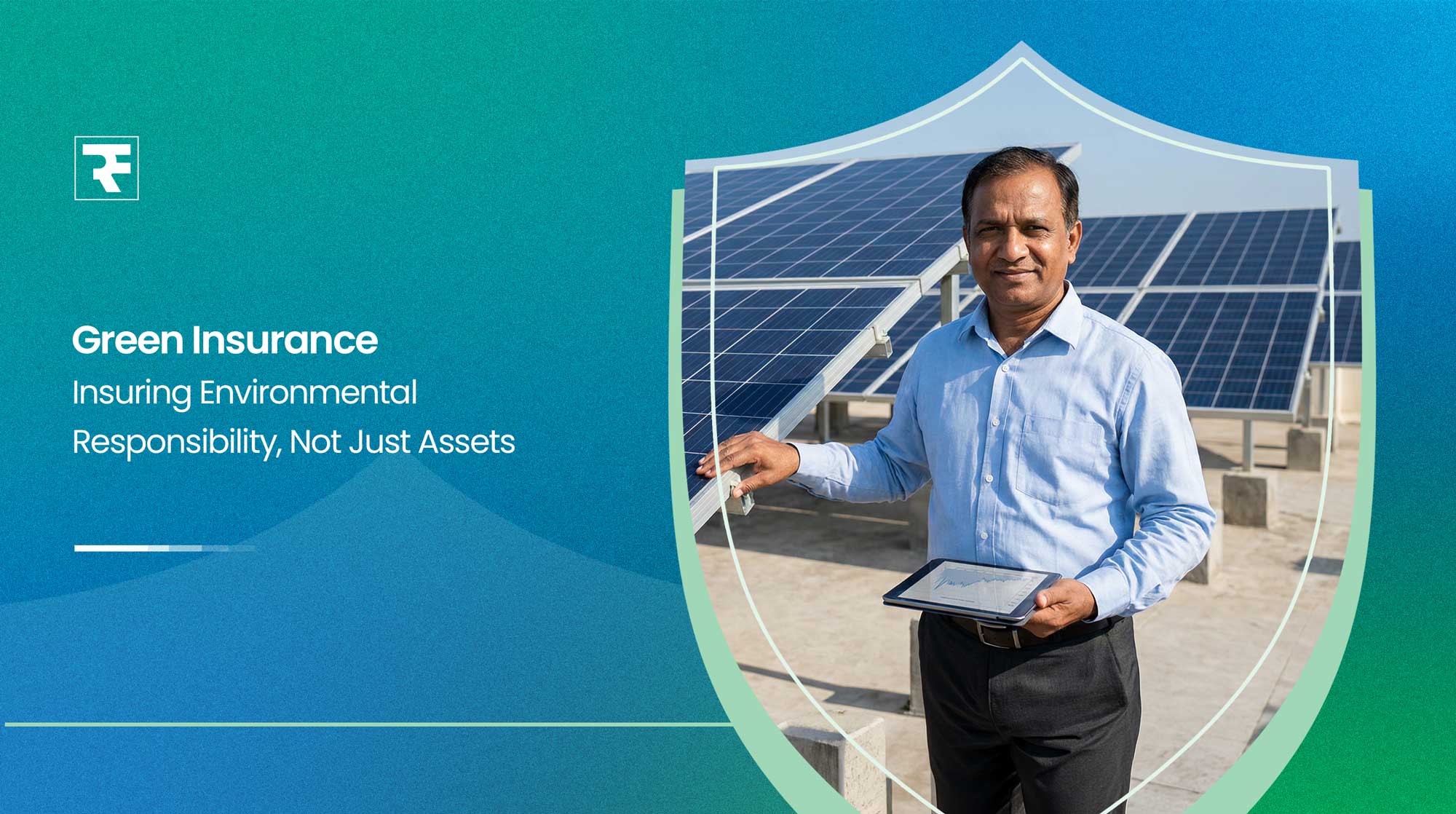
Picture this: you’re renovating your home after a storm. Traditional insurance would pay to replace your roof with exactly what you had before—likely standard asphalt shingles. But what if your insurance policy didn’t just rebuild the past, but upgraded you for a sustainable future? What if it empowered you to install solar panels or eco-friendly materials instead?
This is the transformative promise of “green insurance.”
For centuries, the insurance industry has served as the safety net for our assets—our cars, homes, and businesses. As the world embraces the urgent need for sustainability, the role of insurance is evolving beautifully. It’s no longer just about financial compensation after a loss; it’s about empowering and encouraging a cleaner, greener world. Green insurance represents a fundamental shift from insuring assets to nurturing environmental responsibility.
What Exactly Is Green Insurance?
Green insurance isn’t a single product; it’s a supportive philosophy that enhances various types of coverage. At its heart, it involves policies designed to manage climate-related risks while encouraging environmentally friendly behaviour.
This works in two powerful ways. First, it offers coverage specifically for green technologies and infrastructure, such as wind farms or electric vehicles (EVs). Second, it rewards policyholders for adopting sustainable practices through discounts or enhanced coverage terms. By aligning financial protection with environmental stewardship, insurers are using their economic influence to drive positive change.
Empowering Sustainability in Homes and Autos
For you as a consumer, green insurance is becoming increasingly accessible in everyday policies. Insurers are recognizing that sustainable choices often correlate with responsible behaviour, making green policyholders a better risk.
Your Eco-Friendly Home
In property insurance, “green rebuilding” clauses are truly transformative. Standard policies typically operate on a “like-for-like” basis. If your home is damaged, the insurer pays to restore it to its previous condition. However, a green insurance policy might cover the extra cost to rebuild using sustainable materials—think non-toxic paints, energy-efficient windows, or FSC-certified timber.
Many insurers now offer discounts for homes with LEED certification or those equipped with smart thermostats and leak detectors. These devices not only save energy but also reduce the risk of costly damage, creating beneficial outcomes for both you as the homeowner and the insurer.
The Electric Revolution on the Road
The automotive sector offers exciting opportunities for green innovation. Insurers are developing specialized products for hybrid and electric vehicle owners. These policies often address specific needs that traditional coverage might miss, such as protection for charging cables, wall boxes, and battery replacement.
Furthermore, some insurers offer “pay-as-you-drive” schemes. By using telematics to track mileage, they reward drivers who drive less—and therefore pollute less—with lower premiums. This directly connects the cost of insurance to your carbon footprint.
Powering the Transition: Supporting Renewable Energy
While consumer policies are important, the biggest impact of green insurance lies in the commercial and industrial sectors, particularly in supporting the transition to renewable energy.
Building a wind farm or solar park requires significant investment and involves substantial financial risk. The technology is expensive, weather conditions are unpredictable, and projects are often located in challenging environments. Without insurance, many of these vital projects would struggle to secure funding. Investors need the security that a single storm won’t eliminate their entire investment.
Insurers enable the green revolution by providing:
- Construction Risk Cover: Protecting renewable energy projects during construction.
- Operational Risk Cover: Covering equipment damage and income loss if solar plants or wind turbines break down.
- Performance Warranties: Ensuring that if technology doesn’t produce the promised energy, financial losses are covered.
By underwriting these risks, insurers provide the security needed to unlock billions in funding for renewable energy projects worldwide.
Strategic Divestment and Underwriting Decisions
The concept of green insurance also encompasses what insurers choose not to cover. A growing number of major global insurance firms are withdrawing support from carbon-intensive industries.
Many have committed to stop underwriting new coal mines or coal-fired power plants. Some are also moving away from oil sands and Arctic drilling projects. By making insurance for these activities more expensive or impossible to obtain, the industry is effectively raising the cost of polluting activities.
This strategy, known as “active underwriting,” sends a clear market signal. It encourages companies in heavy-polluting sectors to rethink their business models and accelerate their transition to cleaner alternatives. This transforms insurance from a passive safety net into an active tool for positive environmental change.
The Smart Business Case for Going Green
Why are insurers embracing this approach? While corporate social responsibility plays a role, green insurance is driven by sound business logic.
Climate change poses significant challenges to the traditional insurance business model. More extreme weather means more claims and higher payouts. By encouraging resilience and sustainability, insurers are proactively managing the risks that threaten their long-term success.
- Risk Reduction: A green home with storm-resistant features is less likely to suffer severe damage in extreme weather.
- Market Alignment: Modern consumers increasingly prefer to engage with companies that share their values. Green products help insurers attract and retain this important demographic.
- Regulatory Support: Governments and regulators increasingly require financial institutions to disclose climate risks and demonstrate effective management strategies.
Positive Real-World Impact
You can already see the encouraging results of these initiatives. In Europe, major insurers have partnered with governments to create flood risk pools that support flood-resilient rebuilding. In the US, insurers offer premium credits for buildings that meet specific green building standards.
Consider this success story: a large manufacturing plant installs a solar roof. A green insurer not only covers the panels but also provides guidance on fire safety protocols specific to solar installations, reducing fire risk. If a fire does occur, the policy ensures the replacement roof is even more efficient than before. This cycle of continuous improvement elevates standards across the industry.
Moving Forward Together
Green insurance represents more than an industry trend; it’s a structural shift in how we manage risk in our changing world. It recognizes that the most effective way to protect our assets is to protect the environment they exist in.
As consumers, you have the power to accelerate this positive trend. By choosing insurers who offer green products and asking questions about their investment and underwriting policies, you can make a meaningful impact.
The future of insurance isn’t just about providing compensation after disasters occur. It’s about preventing those disasters by funding the technologies and behaviours that will keep our planet sustainable for generations to come. In this new era, the best policy is one that ensures a greener, more promising tomorrow.
At Ratnaafin Insurance broking, we see green insurance not as a niche offering, but as a core pillar of future-ready risk management for Indian businesses navigating climate and sustainability challenges.
ADVT/RIBPL/2025-26/101 | Ratnaafin Insurance Broking Private Limited | CIN: U66000GJ2019PTC110264 |
Registered Office: 201, 202 – Shilp Aperia, Nr. Landmark Hotel, Iscon Ambali Road, Bodakdev, Ahmedabad, Gujarat, India, 380052 |
IRDAI Broking Registration No.: 724 | License Category: Direct Broker (Life & General). Valid till 05.07.2026
For more details on risk factors, terms and conditions, please read sales brochure carefully before concluding sales.