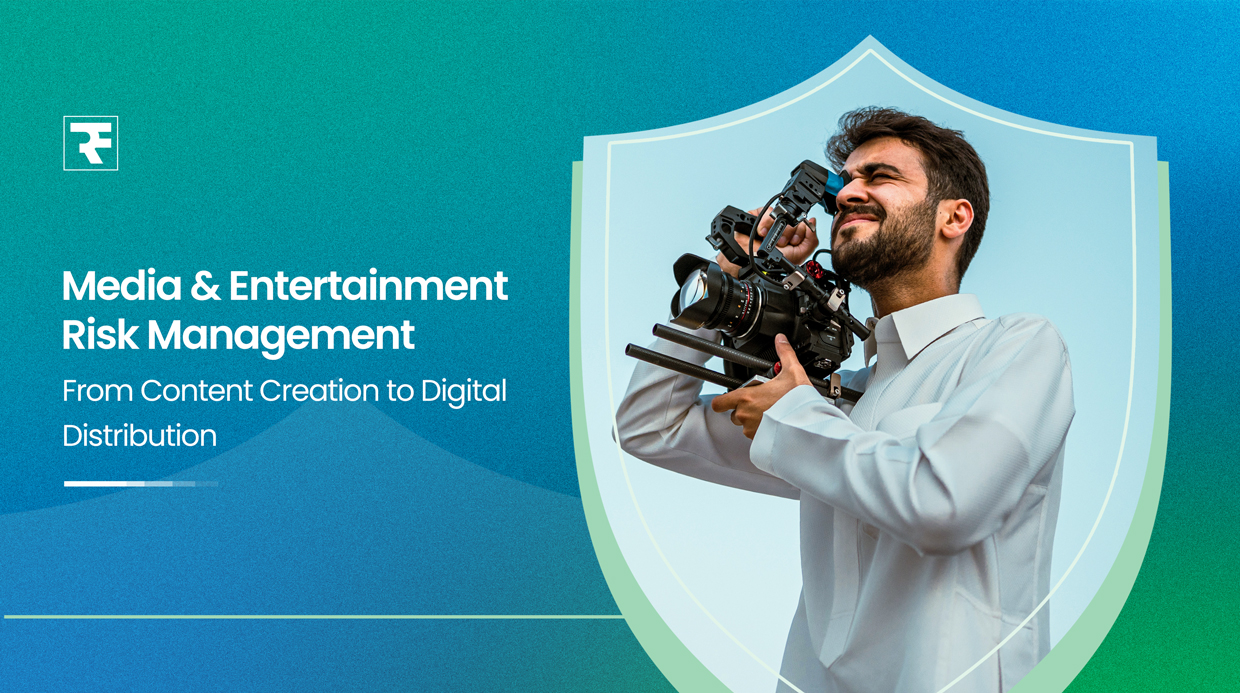
Media & Entertainment Risk Management: From Content Creation to Digital Distribution
Navigating the Creative Economy's Risk Landscape
The media and entertainment industry stands at the epicenter of a digital revolution that has fundamentally transformed how content is created, distributed, and consumed. From Mumbai's film studios to emerging streaming platforms, the sector grapples with an increasingly complex web of risks that traditional insurance models struggle to address. This transformation has created unprecedented opportunities alongside equally unprecedented vulnerabilities, making comprehensive risk management essential for survival and growth.
The New Production Risk Paradigm
Content creation today extends far beyond traditional concerns of equipment damage or weather delays. International co-productions have introduced multi-jurisdictional complexities that can derail meticulously planned projects. Indian production houses collaborating globally face currency fluctuations that devastate budgets, varying labor laws creating unexpected liabilities, and differing content regulations rendering expensive productions unmarketable.
The human element has become increasingly unpredictable. Celebrity insurance, once Hollywood's niche product, is now increasingly important for Indian productions where star power drives commercial success. The COVID-19 pandemic demonstrated this vulnerability as productions worldwide faced massive losses when key talent became unavailable.
Digital Distribution: Opportunities and Exposures
The shift toward digital platforms has democratized content distribution while creating new risk categories:
Cybersecurity Threats: Streaming platforms face constant attacks that compromise user data and unreleased content worth millions
Platform Liability: Content aggregators navigate complex intersections of intellectual property law, content regulation, and user-generated content liability
Global Compliance: Indian platforms operating internationally must simultaneously comply with Europe's data protection requirements and various countries' censorship laws
The 2014 Sony Pictures hack, resulting in premature release of "The Interview" and significant financial losses estimated at close to $200 million, exemplifies the sector's cyber vulnerability.
Content Liability in an Interconnected World
Traditional media organizations once operated under established editorial guidelines. Today's content creators operate across multiple platforms with varying standards and regulatory requirements. A single piece of content can simultaneously violate defamation laws in one jurisdiction, copyright regulations in another, and cultural sensitivity guidelines in a third
User-generated content amplifies these challenges. Platforms encouraging user participation must balance creative freedom with legal compliance, walking a tightrope between over-moderation and under-regulation. India's intermediary guidelines require platforms to demonstrate proactive content moderation while respecting constitutional free speech protections.
Technology Integration and Emerging Risks
Artificial intelligence is revolutionizing content creation while introducing novel risk categories:
AI-Generated Content: Questions about copyright ownership, authenticity, and potential bias
Deepfake Technology: Significant reputation and fraud risks despite creative possibilities
Cloud Dependencies: Single points of failure affecting multiple productions simultaneously
The 2021 Fastly outage demonstrated how cloud infrastructure failures can instantly disrupt global digital media operations.
Industry-Specific Risk Landscapes
The 2021 Fastly outage demonstrated how cloud infrastructure failures can instantly disrupt global digital media operations.
News Media: Faces particular challenges with investigative journalism carrying inherent defamation and privacy invasion risks. Increasing public discourse polarization amplifies these risks, with organizations facing both legal challenges and advertiser boycotts.
Entertainment Production: Must navigate completion bonds, cast insurance, and international production risks. Success of Indian content in global markets creates opportunities but also new exposures, with productions designed for international distribution meeting higher technical standards and facing greater cultural scrutiny.
Digital Platforms: Balance content moderation, regulatory compliance, and user experience while managing operational risks from cyber threats to service interruptions.
Strategic Risk Management Integration
Successful risk management requires a holistic approach integrating insurance with broader business strategy. Traditional models treating each risk category separately are inadequate for an industry where creative, technical, and commercial risks are deeply interconnected.
Modern media companies adopt integrated platforms combining traditional insurance with parametric solutions for rapid claim resolution. These platforms automatically trigger payments for defined events like weather delays or equipment failures, reducing friction between risk events and business recovery.
Adaptation and Innovation
The industry's risk landscape continues evolving with new technologies and business models. Virtual and augmented reality content creation introduces novel liability questions about user safety and content authenticity. Growing ESG importance creates new reputational risks affecting both content acceptance and investor relations.
Regulatory environments worldwide adapt to digital media challenges, with new laws affecting data privacy to content liability. Indian companies operating internationally must develop sophisticated compliance frameworks adapting quickly to changing requirements.
Embracing Risk as Creative Catalyst
The media industry's relationship with risk differs fundamentally from other sectors. While manufacturers minimize variability and financial services focus on predictable returns, media companies must embrace creative risks to generate compelling content. The challenge lies in distinguishing between creative risks driving innovation and operational risks threatening sustainability.
Comprehensive risk management isn't about avoiding risk but creating frameworks enabling creative risk-taking while protecting against operational vulnerabilities. As digital transformation continues, companies developing sophisticated risk management capabilities will gain significant competitive advantages in an increasingly complex marketplace.
ADVT/RIBPL/2025-26/51 | Ratnaafin Insurance Broking Private Limited | CIN: U66000GJ2019PTC110264
| Registered Office: 201, 202 - Shilp Aperia, Nr. Landmark Hotel, Iscon Ambali Road, Bodakdev, Ahmedabad, Gujarat, India, 380052 |
IRDAI Broking Registration No.: 724 | License Category: Direct Broker (Life & General). Valid till 05.07.2026